Your First Sushi Making Class in NYC: What to Expect, Step by Step
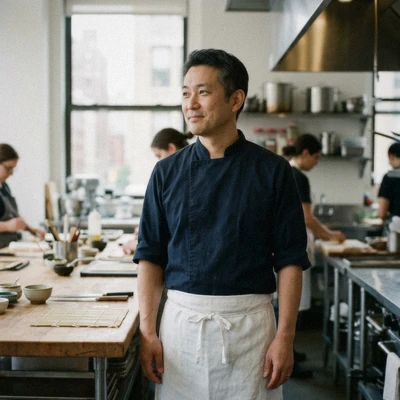
You don't need any experience to take a sushi making class in NYC, and you don't need to have ever held a chef's knife before either. When we teach beginners, most of them walk in nervous about ruining their roll in front of the room, and by the time they're slicing their first piece, that worry is usually gone. If you are wondering what to expect at your first sushi making class, this guide walks through exactly what happens from booking to the last bite, so nothing on the day catches you off guard.
Quick answer
No experience needed. Every class is built for complete beginners, the chef demonstrates each step before you try it yourself, and a 2-hour class ends with a full sit-down meal of what you rolled. Most first-timers relax within the first fifteen minutes once they see how much guidance is built in.
Key takeaways
- No cooking or knife experience required at any of the three classes
- Chefs demo every step before you attempt it, so nothing is assumed
- A 2-hour class runs about 90 minutes of active instruction plus a sit-down meal, see the full price breakdown if the budget matters more than the schedule
- The biggest worry, ruining your roll in public, isn't realistic since chefs walk the room and fix issues before you notice them
- For a full first-timer, the two-hour roll class in Midtown West breaks the process down the most step by step
Do You Need Any Experience?
No. Every class we cover here, from the $63 two-hour sessions to the $120 Midtown workshop, is built assuming zero prior experience. The chef demonstrates each stage, seasoning the rice, holding the knife, rolling the mat, before you're asked to do it yourself, so you're never guessing what comes next. Compare all hands-on sushi workshops in New York if you want to see how each one structures its teaching.
There's no meaningful fitness requirement either. You're standing or seated at a prep station for the full class, doing light knife work and hand rolling, nothing that demands strength or stamina. If you can chop a vegetable at home, you can handle everything asked of you here.
When we teach a room full of first-timers, the mix is almost always the same: a few people who've watched sushi chefs on video and think they already know the motion, a few who've genuinely never touched a bamboo mat, and everyone lands in roughly the same place by the halfway point. Nobody arrives with an advantage that actually matters once the rice hits the nori. If anything, people who've never tried it before tend to listen more closely to the demo, since they're not fighting a habit picked up from a video.
What Happens on Your First Class, Step by Step
Here's the real sequence, using a standard two-hour Midtown class as the walkthrough, with notes on where the 3-hour Midtown workshop runs longer. Getting there is worth a note: the two-hour venues sit on W 36th Street, minutes from Penn Station and Herald Square, and the Midtown workshop is a short walk from Penn Station, so build in a buffer if the L is running slowly in the evening.
| Stage | How long | What happens |
|---|---|---|
| Booking & the day before | a few minutes | You get a confirmation with the venue address and start time, no prep needed beforehand |
| Arrival / check-in | about 10 minutes | Arrive about 10 minutes early to check in, find your seat at a prep station already set with your ingredients |
| Stations & briefing | about 15 minutes | The chef introduces the menu, walks through the tools at your station, and explains what you'll make |
| Seasoning the rice & knife work | about 25 minutes | The chef demonstrates seasoning sushi rice with rice vinegar, then basic knife cuts for the fillings |
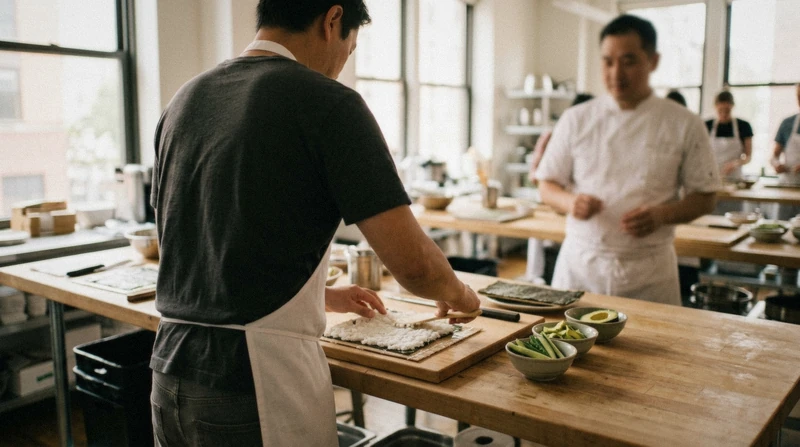
| Rolling on the bamboo mat | about 30 minutes | You roll your first California roll with the chef circling the room, then a second roll with less guidance |
| Slicing, plating & eating | about 20 minutes | You slice your own rolls, plate them, and sit down to eat everything you made as a group |
That's approximately 15 to 20 minutes longer at Midtown, where the extra hour goes into nigiri, sashimi, and temaki technique after the rolling stage, plus more depth on Japanese food culture and history throughout. These durations are approximate estimates for a typical class, actual pacing shifts a little with group size and how many questions come up.
The briefing at every location is given in English. If English isn't your first language, it's worth messaging the host in advance, since a translated summary sheet isn't standard but the chef can usually slow the pace or repeat a step if asked directly during class.
What You Actually Learn
In every class, we teach the fundamentals the same way: seasoning sushi rice with rice vinegar until it holds together and tastes right, basic knife cuts for clean fillings, and rolling technique with the bamboo mat, pressure, shaping, and a tight finish so the roll doesn't fall apart when it's sliced. Most first-timers pick up the rolling motion within their second attempt, it's more about repetition than natural skill.
Nigiri, sashimi, and hand-roll (temaki) technique are only taught in the 3-hour Midtown workshop. The two-hour classes stay focused on rolling, which keeps the pace approachable for someone who has genuinely never touched a sushi knife before.
A phone works fine for photos at any of these classes, the lighting is bright and steady and nothing moves fast enough to need a dedicated camera. The one moment worth planning for is right after rolling, when your hands are still damp or lightly coated in rice, that's not the moment to be fumbling with a screen, so most people just wait until plating to pull out a phone.
Pace and How Much You Actually Eat
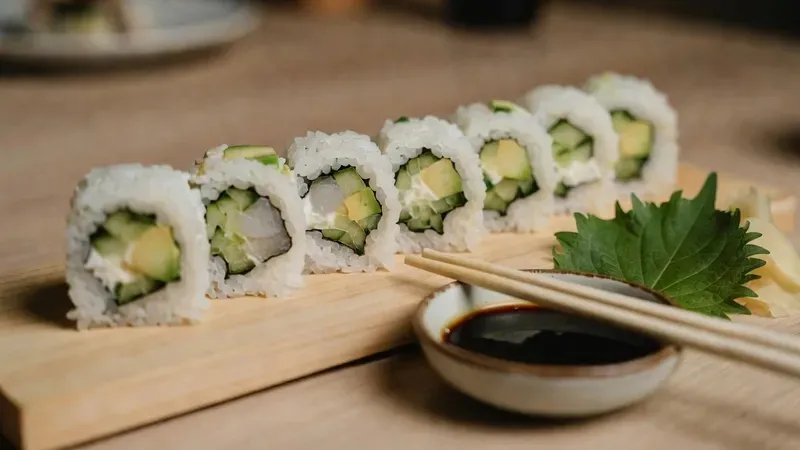
You roll three full rolls in the two-hour classes — spicy tuna, veggie maki and salmon avocado — which slice into roughly 24 pieces total, that's a real dinner, not a tasting portion. The Midtown workshop adds nigiri, sashimi, and temaki on top of its own rolling, so you leave even fuller. Every class ends the same way: you sit down as a group and eat everything you made, nobody boxes it up to go.
Most people at a beginner class are, in fact, other beginners. These aren't advanced technique workshops for people who already cook, they're built for a general public audience, so a reader worried about being the only person who's never picked up a sushi knife can relax on that point specifically. The room is rarely, if ever, full of people who already know what they're doing.
Nervous? What First-Timers Worry About
These are the real worries we hear before almost every class, and what actually happens once you're in the room.
| Worry | The reality | What helps |
|---|---|---|
| I'll ruin my roll in front of everyone | The chef circles the room during rolling and steps in before a roll goes wrong, not after | Watch the demo closely and ask questions early rather than after you've started |
| I'm clumsy with knives | The cuts taught are basic and slow-paced, not restaurant-speed knife work | The chef checks your grip before you cut anything, so bad habits get caught immediately |
| I don't like raw fish | The Midtown workshop keeps raw fish to the nigiri and sashimi section; the two-hour classes use raw tuna or salmon in at least one roll | Ask about a vegetarian subrooklyn class specifically if raw fish is the concern, it simply isn't part of that menu |
| How much will I actually eat | Two full rolls, about 16 pieces, is a real dinner, not a snack | Come with an appetite, you won't leave hungry |
| My hands will be covered in rice | This happens to everyone rolling sushi for the first time, it's part of the process | There's a damp towel at every station for exactly this reason |
There's a difference between pausing for a moment and deciding you're genuinely done partway through. If you just need a breather, step back from your station, nobody minds, and you can rejoin the next stage whenever you're ready. If you decide the whole thing isn't for you and want to leave early, that's a self-initiated stop rather than a weather cancellation, and it doesn't come with a refund since the class runs regardless of whether you finish it.
In practice this is rare, most of the nervousness fades within the first fifteen minutes once the room sees how much guidance is actually built in.
Dietary Accommodations
The two-hour menus use raw tuna and salmon, and vegetarian alternatives are available on request for anyone with a shellfish allergy or preference. The veggie roll is already vegetarian as written. The one thing that matters most: notify the host of any dietary needs at booking, not on arrival, so the kitchen can prep the right ingredients for your station ahead of time.
The Midtown workshop carries its own note worth flagging honestly: it isn't suitable for guests with severe raw fish or shellfish allergies, since nigiri and sashimi are core to that class. If that's your situation, ask for the vegetarian substitution when you book — every operator here lists vegetarian and vegan options at all.
Children are welcome at different ages depending on the venue. Kids under 12 need to be accompanied by an adult at the Midtown workshop, and the two-hour classes are 21+ rooms that admit nobody younger. Neither policy is a hard no, but both need to be sorted out before the day, not at check-in.
Which Class Is Best for a First-Timer
For a true first-timer, the Hand-Rolled Sushi class breaks the process down the most step by step, from seasoning the rice through slicing and rolling, which makes it the easiest entry point if you've genuinely never made sushi before. The Nikkei class in Midtown South costs the same and swaps the menu for a more social, laid-back pace. If you want the fuller technique set, nigiri and sashimi included, the Midtown workshop is worth the extra hour, but it asks a bit more focus than the beginner-paced two-hour sessions.
How far ahead you should book depends on the class. The Midtown workshop tends to fill weekend evening slots first and books up to about 15 days in advance on average, so a specific Saturday night is worth locking in early. Every class in the city is now a final sale, so book the date you can keep rather than the date you hope works.
Every class we've described here is genuinely built for someone who has never rolled sushi before, so there's no version of this where you show up under-prepared. Once you've picked your slot, our full price breakdown and Brooklyn vs Manhattan comparison can help you settle on which one fits your evening.
Your First-Class Checklist
Everything worth handling before you walk in. It is a short list because the classes provide the rest.
- Booking confirmation saved on your phone, in the name of whoever is attending
- Any allergy or dietary note sent to the host, not saved for the day
- Clothes you do not mind getting rice on, and sleeves you can push up
- Hair tied back if it is long, since your hands stay busy
- Arrive about 10 minutes early to check in
- Come hungry, the meal is at the end and it is a real dinner
- A card if you want a drink — the venues sell them and outside drinks are not allowed
- Nothing else, the mats, knives, nori and fillings are all provided
Frequently Asked Questions
How long does a sushi making class actually take?
About 2 hours for the two-hour classes and 3 hours for the Midtown workshop, with roughly 90 minutes to 2 hours of active instruction and the rest spent checking in and eating the meal you made.
How much practice do I need before I go?
None. Every stage is demonstrated by the chef first, so there's nothing to prepare in advance beyond showing up on time and hungry.
What time should I arrive for my first class?
About 10 minutes early to check in and get settled at your prep station before the briefing starts.
How much sushi do you eat during the class?
Two full rolls in the 2-hour classes, roughly 16 pieces total, which is a real sit-down dinner, not a small tasting.
What if I have a food allergy or dietary restriction?
Share it when you book, not on arrival. Surimi alternatives exist for shellfish concerns, and the veggie roll is already vegetarian, but the kitchen needs advance notice to prep accordingly.
Which classes involve handling raw fish?
All three touch raw fish now: the two-hour classes roll raw tuna or salmon, and the workshop adds nigiri and sashimi, is taught exclusively in the 3-hour Midtown workshop.
What should I wear to my first sushi making class?
Comfortable, casual clothes you don't mind getting a little messy. Sushi rice sticks to everything, so skip anything you'd be upset to see a rice grain land on.